Creating a productive home workspace is essential for anyone who works remotely or spends significant time on personal projects. A well-designed workspace not only boosts focus but also enhances comfort, leading to better work quality and improved well-being. Whether you have a dedicated room or a small corner in your living space, these tips will help you set up an environment that supports productivity.
Choose the Right Location
Selecting the best spot for your home workspace is the first step toward productivity.
– Quiet and Low-traffic Area: Find a space where distractions are minimal. This might be a spare room, a quiet corner, or an area away from household noise.
– Good Natural Light: Position your desk near a window if possible. Natural light improves mood and reduces eye strain.
– Separation from Leisure Spaces: Avoid setting up in areas like the bedroom or TV room, which can blur the line between work and relaxation.
Invest in Comfortable and Ergonomic Furniture
Comfort is key to staying productive for long periods.
– Ergonomic Chair: Choose a chair that supports your lower back and promotes good posture.
– Adjustable Desk: If possible, use a desk with adjustable height to alternate between sitting and standing.
– Proper Desk Size: Make sure your desk has enough space for your computer, paperwork, and other essentials without feeling cramped.
Organize for Efficiency
An organized workspace helps reduce stress and keeps you focused.
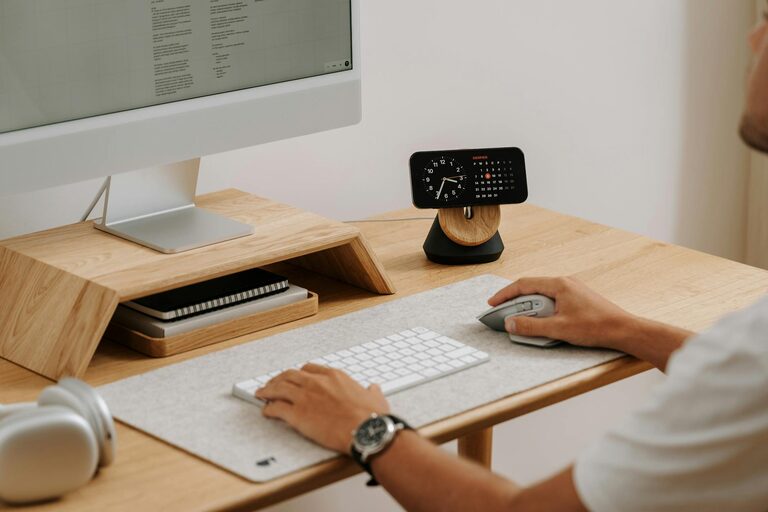
– Declutter: Remove unnecessary items from your desk. Keep only daily essentials within reach.
– Storage Solutions: Use shelves, drawers, or filing cabinets to store materials neatly.
– Cable Management: Keep cords tidy and out of the way with clips or cable organizers to avoid distraction and hazards.
Optimize Lighting
Lighting affects your ability to concentrate and avoid eye fatigue.
– Balance Light Sources: Combine natural light with good-quality artificial lighting.
– Task Lighting: Use a desk lamp with adjustable brightness and direction for focused tasks.
– Reduce Glare: Position your screen to minimize glare from windows or lights.
Minimize Distractions
Distractions can severely impact focus.
– Noise Management: Use noise-canceling headphones or white noise machines if ambient noise is unavoidable.
– Digital Discipline: Turn off non-essential notifications or use apps that limit distracting websites during work hours.
– Set Boundaries: Communicate your work schedule to others in your home to reduce interruptions.
Personalize Your Space
A motivating workspace feels welcoming and boosts creativity.
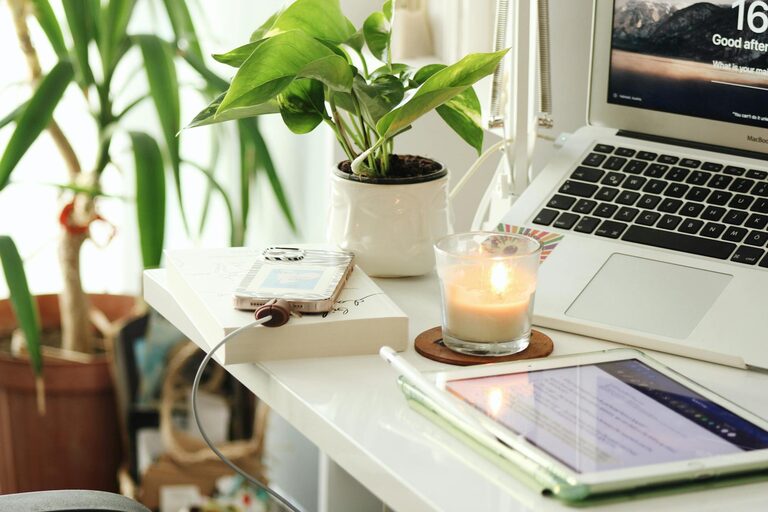
– Inspirational Items: Display photos, quotes, or plants that uplift your mood.
– Comfort Elements: Add cushions, a soft rug, or a heated blanket to make your space inviting.
– Colors: Choose calming or energizing colors that suit your work style, such as blue for focus or yellow for creativity.
Establish a Routine and Break Area
Your workspace also benefits from a routine and designated rest spots.
– Consistent Work Hours: Start and end work at set times to create structure.
– Break Zone: Set up a separate area, even a corner with a comfy chair, for short breaks to refresh your mind.
– Movement: Incorporate stretching or short walk breaks to avoid stiffness and maintain energy.
Technology Setup for Productivity
Reliable technology supports your workflow.
– High-Speed Internet: Ensure your connection supports video calls, uploads, and downloads smoothly.
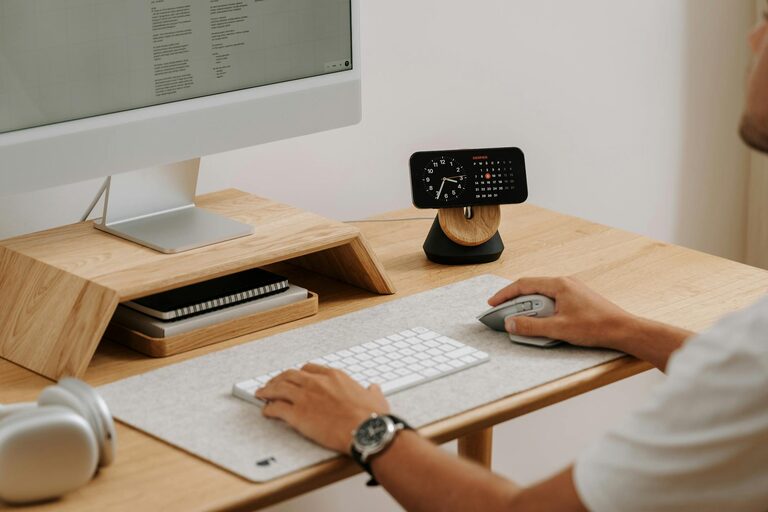
– Ergonomic Accessories: Use keyboards, mice, and stands designed to reduce strain.
– Backup Solutions: Regularly back up your work to avoid data loss.
Maintain Cleanliness and Air Quality
Clean and fresh environments contribute to focus.
– Regular Cleaning: Dust and clean your workspace regularly to maintain a healthy environment.
– Airflow: Keep windows open when possible or use air purifiers to ensure good air quality.
– Plants: Incorporate indoor plants to improve air quality and add a touch of nature.
—
Creating a home workspace tailored to your needs can greatly improve your productivity and comfort. By choosing the right location, investing in ergonomic furniture, organizing efficiently, and managing distractions, your workspace becomes a place where your best work can happen. Remember, small adjustments over time can make a big difference in how you feel and perform each day.