Creating a comfortable and productive home office is essential for anyone working remotely or managing tasks from home. A well-designed workspace can boost focus, reduce stress, and improve overall work satisfaction. Whether you have a dedicated room or just a corner in your living space, these tips will help you create an environment that supports your best work.
Choose the Right Location
Finding the ideal spot for your home office is the first step in creating a productive workspace. Here are some considerations:
– Quiet Area: Pick a space with minimal noise and distractions. If possible, avoid high-traffic areas like the kitchen or living room.
– Natural Light: A location near a window provides natural light, which helps reduce eye strain and improve mood.
– Privacy: Consider if you need a door or a partition to separate your workspace from the rest of the home.
Invest in Ergonomic Furniture
Comfort plays a critical role in maintaining productivity over long hours. Prioritize ergonomic furniture that supports your body.
– Chair: Choose an adjustable office chair with good lumbar support to prevent back pain.
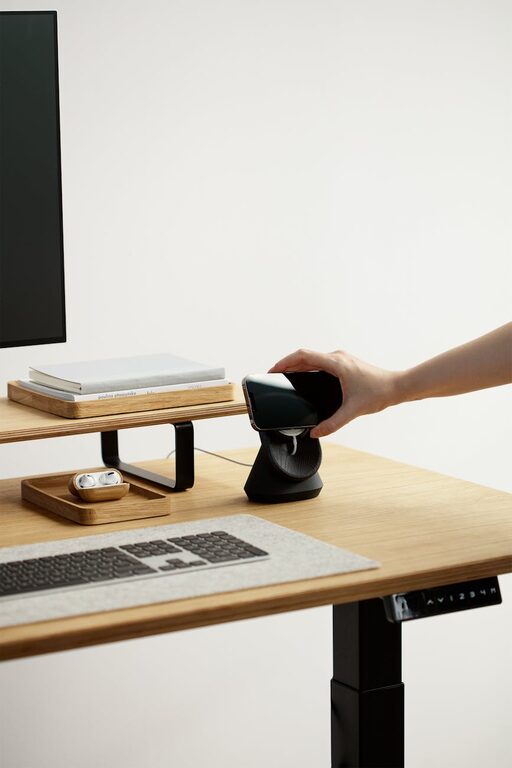
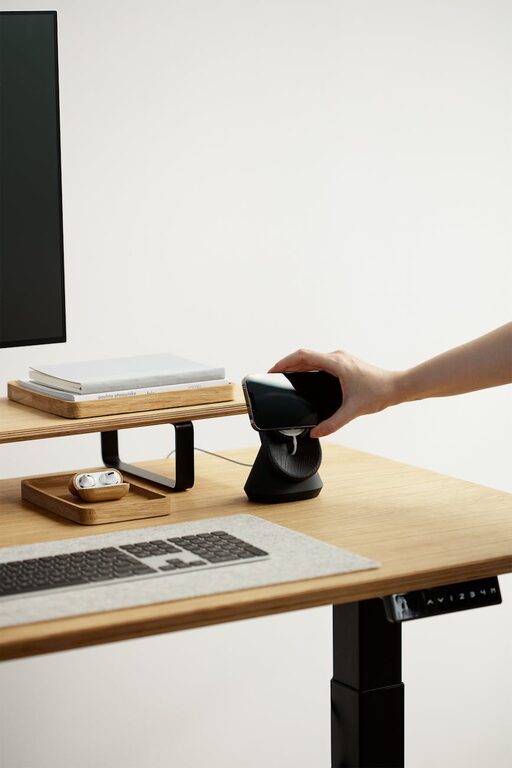
– Desk: Select a desk that fits your space and allows you to work comfortably. If possible, a height-adjustable desk can offer the option to stand periodically.
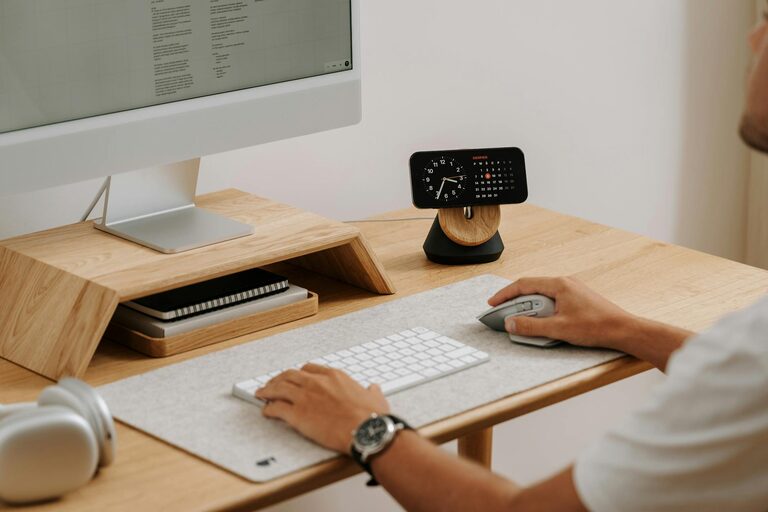
– Monitor Placement: Keep your computer monitor at eye level to avoid neck and shoulder strain.
Organize Your Workspace Efficiently
A cluttered desk can hinder your focus. Organizing your tools and materials makes for a smoother workflow.
– Storage Solutions: Use shelves, drawers, or filing cabinets to keep documents and supplies tidy.
– Desk Essentials: Keep frequently used items within arm’s reach, while less-used materials can be stored out of the way.
– Cable Management: Use clips or channels to manage cables and avoid tangles.
Optimize Lighting
Good lighting reduces eye strain and creates an inviting atmosphere.
– Natural Light: Utilize daylight as much as possible, but be mindful of glare on computer screens.
– Task Lighting: A desk lamp with adjustable brightness helps focus light where you need it.
– Ambient Lighting: Consider soft overhead lighting to balance the room and reduce harsh shadows.
Personalize Your Environment
Adding personal touches can make your workspace more pleasant and motivating.
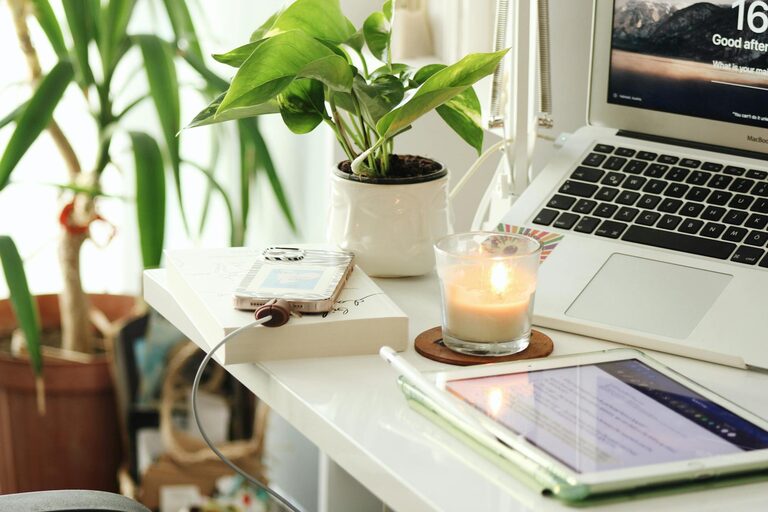
– Plants: Indoor plants can improve air quality and add a calming, natural element.
– Art and Photos: Display images or artwork that inspire or relax you.
– Color Scheme: Choose colors that promote focus and calm, such as blues, greens, or neutrals.
Minimize Distractions
Keeping distractions to a minimum helps maintain focus throughout the workday.
– Technology: Silence notifications during work periods or use apps that block distracting websites.
– Family and Household: Set clear boundaries with household members about your work hours.
– Sound Control: Use noise-cancelling headphones or play background music if it aids concentration.
Establish a Daily Routine
Having a consistent schedule supports productivity and work-life balance.
– Set Work Hours: Define when your workday starts and ends to create structure.
– Breaks: Take regular breaks to stretch, rest your eyes, and recharge.
– Transition Time: Allow time before and after work to mentally switch between work and personal life.
Incorporate Technology That Supports Productivity
Leveraging the right tools can make your work easier and more efficient.
– Reliable Internet: Ensure your internet connection is stable and fast enough for video calls and uploading files.
– Accessories: Use external keyboards, mice, or additional monitors to enhance comfort and productivity.
– Software: Utilize productivity apps and tools for task management and communication.
Keep Your Workspace Clean
A clean environment promotes clarity and reduces stress.
– Daily Tidying: Spend a few minutes each day putting things back in place.
– Regular Cleaning: Dust surfaces and vacuum floors weekly to maintain a fresh workspace.
– Declutter Regularly: Review and remove unnecessary items to maintain organization.
—
Designing a home office that feels both comfortable and functional is achievable no matter your space or budget. By carefully selecting your location, investing in ergonomic furniture, organizing your tools, and establishing healthy routines, you’ll create a space that supports your best work and well-being. Start small, adjust as you go, and enjoy the benefits of a dedicated workspace tailored to you.