Working from home has become increasingly common, and having a dedicated, productive home office space is essential to stay focused and motivated throughout your workday. Whether you have a small corner or an entire room to dedicate to your work, creating the right environment can help enhance your efficiency and comfort. Here are some practical tips to help you design a productive home office space.
Choose the Right Location
Selecting the right spot for your home office is the first and most important step. Ideally, pick a quiet area away from high-traffic zones in your home. Having a separate room or a clearly defined space helps reduce distractions and signals to others that you are in work mode.
If space is limited, a compact corner or even a nook can work well. Just make sure you have enough room to move comfortably and keep your work materials organized.
Invest in Comfortable Furniture
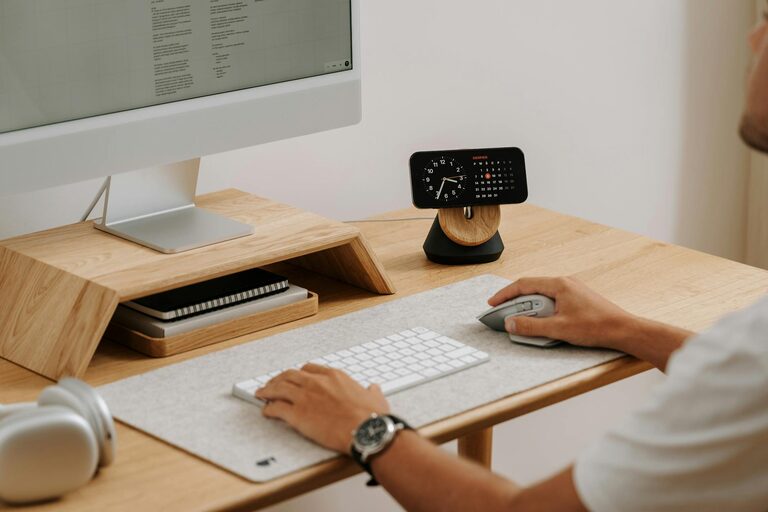
Your office furniture directly impacts your productivity and health. Choose an adjustable chair that supports good posture to avoid discomfort during long work hours. Look for a desk with enough surface area for your computer, notebooks, and other essential items without feeling cramped.
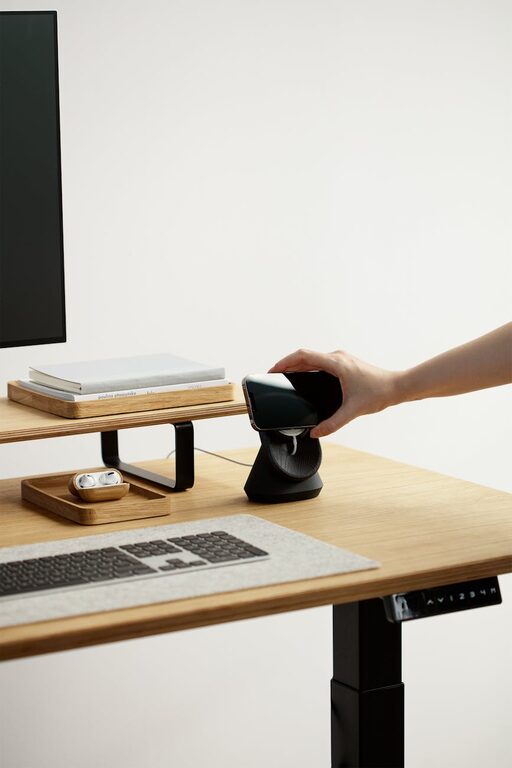
Ergonomics matter, so consider adding a keyboard tray, screen riser, or footrest if needed to maintain a natural and comfortable position as you work.
Optimize Lighting
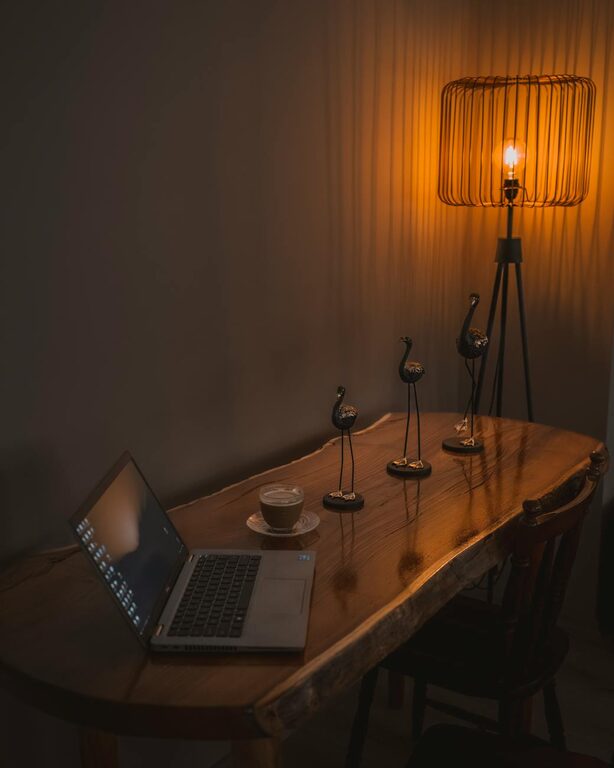
Good lighting reduces eye strain and boosts alertness. Natural light is the best option, so position your desk near a window if possible. However, avoid glare on your screen by using blinds or curtains to control direct sunlight.
Supplement natural light with adjustable artificial light sources such as desk lamps. Choose bulbs that mimic daylight for a bright and clear environment.
Keep Your Space Organized
Clutter can distract and decrease productivity. Use shelves, drawers, and storage containers to keep your office supplies neat and within reach. A bulletin board or whiteboard can help you keep track of important dates and tasks.
Make it a habit to tidy your desk at the end of each day. A clean workspace creates a clear mind to start fresh each morning.
Minimize Distractions
Home environments often come with distractions like family members, pets, or noise. Set boundaries by communicating your work schedule with those you live with.
Consider noise-canceling headphones or white noise machines to block out distracting sounds. Limiting social media during work hours can also help maintain focus.
Personalize Your Space
Adding personal touches can make your office more inviting and motivate you to spend time there. Decorate with plants, artwork, or photos that inspire you. Just be careful not to overdo it; too many items can make the space feel cluttered.
Use Technology Wisely
Reliable technology is crucial for a productive home office. Ensure your internet connection is fast and stable. Use tools like a good-quality webcam and microphone if you attend virtual meetings regularly.
Organize your digital files and use productivity apps to stay on top of tasks and deadlines.
Take Regular Breaks
Even in a well-set-up office, sitting for long periods can reduce productivity and affect your health. Schedule short breaks to stand, stretch, or take a brief walk. This helps refresh your mind and maintains your energy throughout the day.
Maintain a Routine
A consistent daily schedule helps create structure and improves work habits. Set start and end times for your workday, and include breaks and lunchtime like you would in a traditional office setting. This balance helps separate work time from personal time.
Final Thoughts
Creating a productive home office doesn’t have to be complicated or expensive. By choosing the right location, investing in comfortable furniture, optimizing lighting, organizing your space, minimizing distractions, and maintaining good work habits, you can build a workspace that supports your productivity and well-being. Start with small changes and adjust your setup over time to find what works best for you.