Working from home has become a common reality for many people. While it offers flexibility and convenience, it also presents challenges, especially when it comes to staying productive. A key factor in maximizing your work-from-home efficiency is creating a relaxing workspace that supports focus while reducing stress. In this post, we’ll explore practical tips on setting up a home workspace that promotes calmness and productivity.
Why a Relaxing Workspace Matters
Your environment has a direct impact on your mindset and work habits. A cluttered or noisy space can increase stress levels and make concentrating difficult. Conversely, a well-organized and soothing workspace helps you feel more in control and motivated. When your home workspace is both relaxing and functional, you’re more likely to produce your best work.
Choose the Right Location
Start by selecting a dedicated area in your home for work. This helps mentally separate ‘work time’ from ‘personal time.’ Ideally, pick a quiet spot with minimal distractions.
Consider natural light
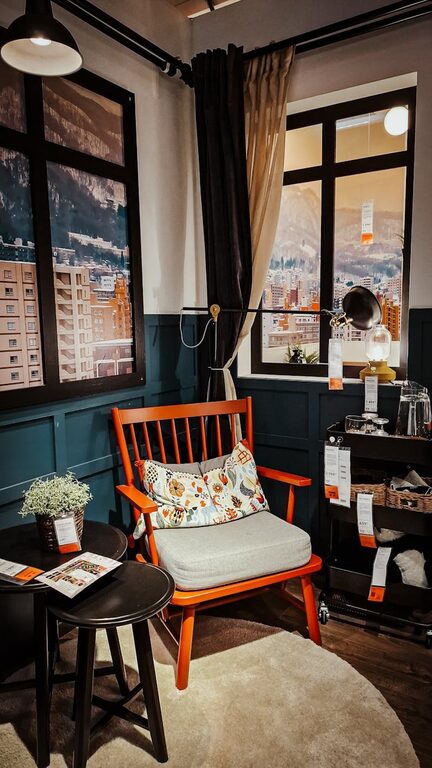
Try to set up near a window to enjoy natural daylight. Exposure to natural light boosts mood and energy, making it easier to stay alert.
Minimize distractions
Avoid high-traffic areas or places with loud noises. If needed, use noise-canceling headphones or a white noise machine to block out background sound.
Invest in Comfortable Furniture
Comfort is crucial when spending long hours desk-bound.
– Quality chair: Choose an ergonomic chair with proper lumbar support to protect your back.
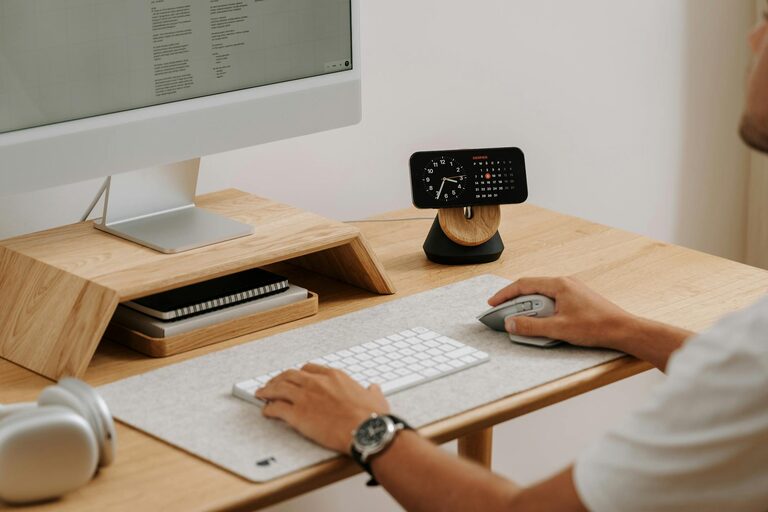
– Functional desk: Use a desk that fits your space and offers enough room for your computer, documents, and accessories.
– Adjustable options: Consider sit-stand desks or monitor stands to vary your posture throughout the day.
Keep Your Workspace Organized
Clutter can overwhelm your mind and slow down productivity.
– Declutter regularly: Set aside time weekly to tidy your workspace.
– Use storage solutions: Use organizers, drawers, and shelves to keep supplies out of sight but easily accessible.
– Cable management: Tidy up cords with clips or sleeves to avoid tangles and keep the desk surface clear.
Add Calming Elements
Incorporate features that promote relaxation and well-being.
– Plants: A few indoor plants improve air quality and add color, creating a calming atmosphere.
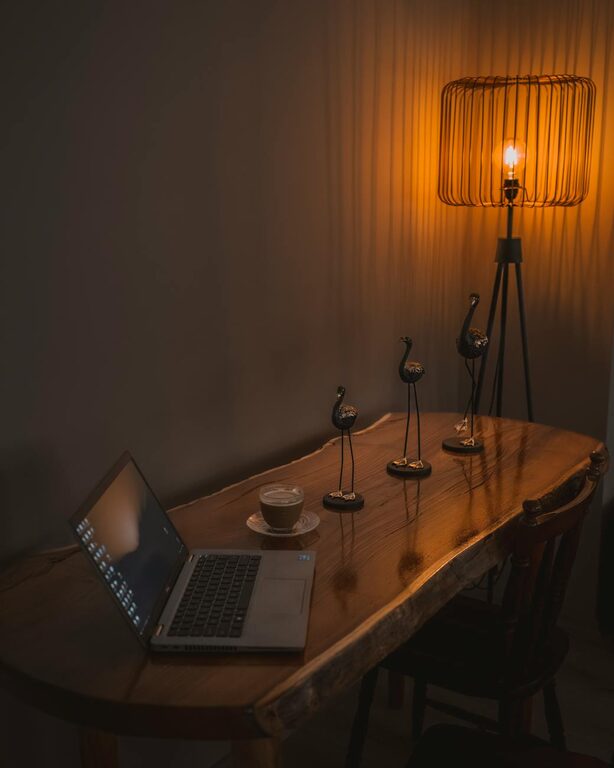
– Soft lighting: Use lamps with warm light instead of harsh overhead lights to reduce eye strain and create a relaxing ambiance.
– Personal touches: Add photos or artwork that make you feel happy and inspired.
Optimize Technology Setup
Ensure that your technology works smoothly and doesn’t cause frustration.
– Reliable internet: Use a strong, stable Wi-Fi connection to avoid interruptions.
– Second monitor: If space allows, adding a second screen can boost efficiency.
– Organized desktop: Keep digital files and shortcuts well-organized to save time searching.
Establish Healthy Work Habits
Your workspace setup only goes so far — building good habits is equally important.
– Take breaks: Use techniques like the Pomodoro Method to work in focused intervals with regular rests.
– Stretch and move: Periodically stand up, stretch, or walk around to reduce tension and improve circulation.
– Set boundaries: Define clear work hours to maintain work-life balance.
Incorporate Relaxation Techniques
If you feel stressed during the day, simple relaxation practices can help.
– Mindful breathing: Take a few deep breaths to reset your focus.
– Short meditation: Even five minutes of meditation can boost clarity.
– Listen to soothing music: Calm background tunes can reduce stress and enhance concentration.
Personalize Your Space
Your workspace should reflect your preferences and personality to make it a place where you want to spend time.
– Choose colors that soothe you, like soft blues or greens.
– Arrange items in ways that feel comfortable and inspiring.
– Use scents, like an essential oil diffuser with lavender or citrus, to create a pleasant environment.
Final Thoughts
Creating a relaxing home workspace is not about perfection — it’s about making intentional choices that fit your needs and support your productivity. By selecting the right location, investing in comfort, reducing clutter, and adding calming elements, you set the stage for focused and enjoyable workdays. Remember to incorporate healthy habits and personalize your setup, and you’ll likely find your home workspace becoming a favorite spot that helps you do your best work.